What to Feed Highland Cattle
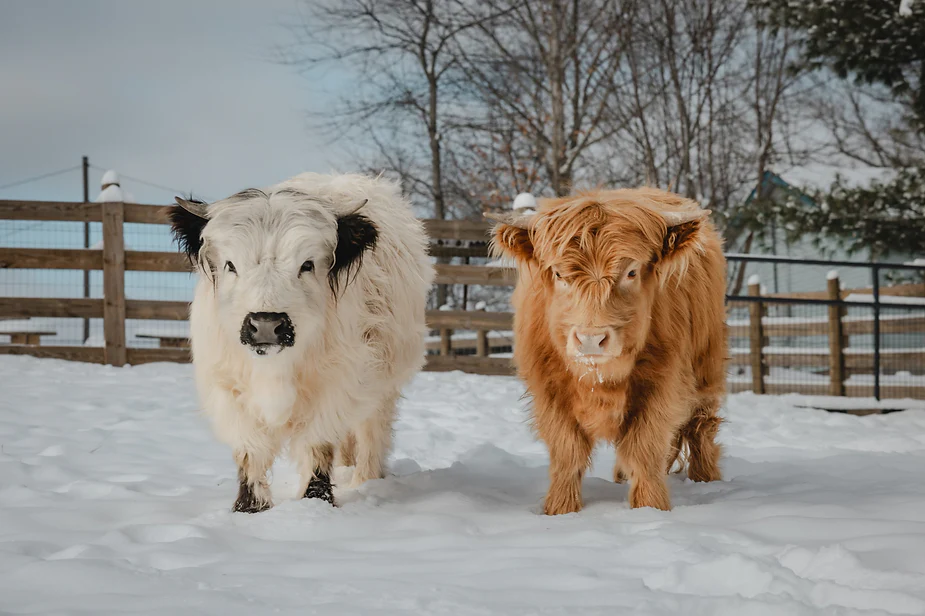
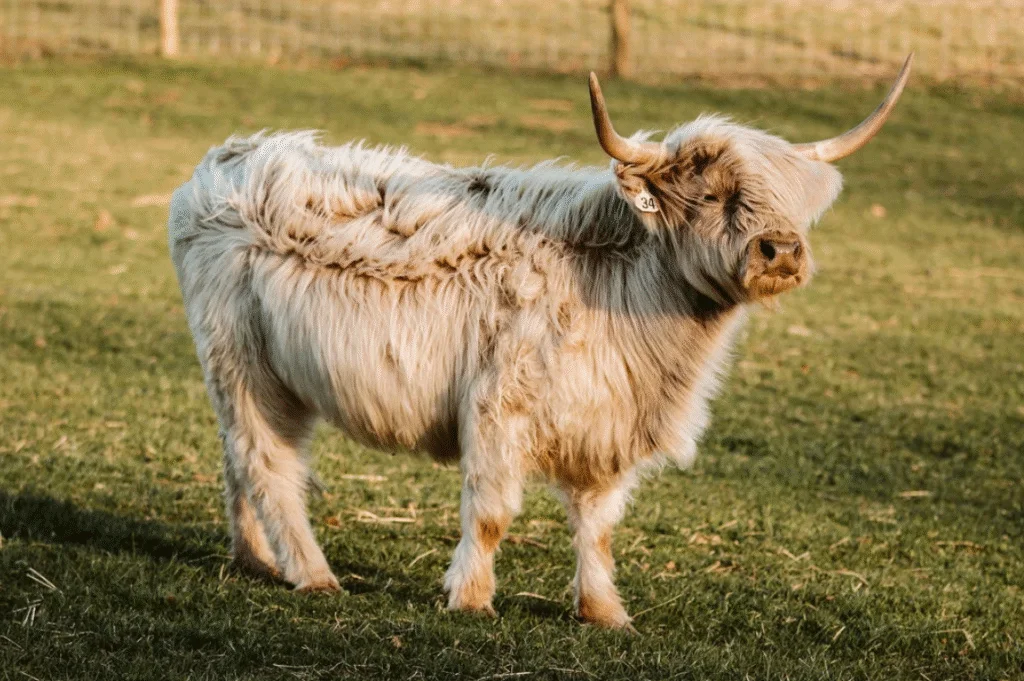
What to feed highland cattle? Mini highland cattle are undeniably charming: fluffy, horned, and compact enough to steal hearts on every farm tour and Instagram feed. But don’t let the size fool you. These aren’t pasture pets that thrive on scraps or survive off aesthetics.
Mini highland cattle are ruminants with very real, very specific nutritional needs. Whether you’re raising one as a hobby companion or managing a micro herd for breeding, milk, or land management, understanding what they eat and why can make all the difference in their health, productivity, and longevity.
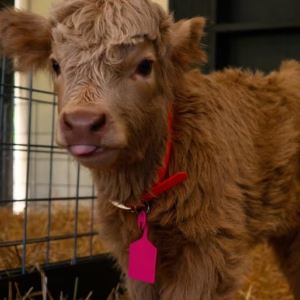
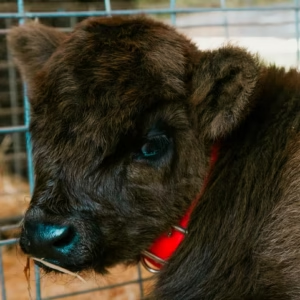
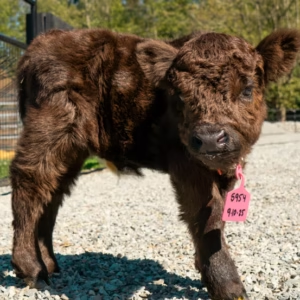
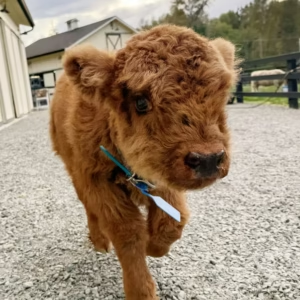
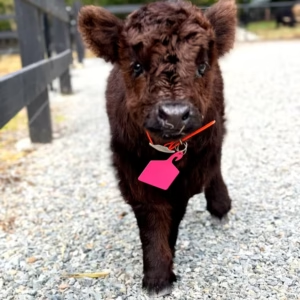
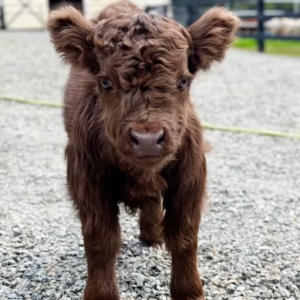
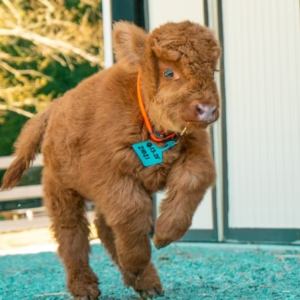
Understanding Mini Highland Cattle Nutrition
Mini highland cattle are smaller than their full-sized counterparts, but their ruminant digestion system works the same way. They rely on fermentation to break down cellulose from forage, and that means fiber is king.
But it’s not just about stuffing them with grass. Their diets need to be:
- High in digestible fiber
- Balanced in protein, calcium, phosphorus, and magnesium
- Adequate in trace minerals like copper, zinc, and selenium
- Free of excess sugar and starch (which can lead to bloat or acidosis)
The average mini highland will consume around 2% of its body weight in dry matter per day, which for a 600–700 lb adult equates to roughly 12–14 lbs of forage daily.
That forage can come from pasture, hay, or a mix, but not all roughage is created equal.
What Pasture-Based Feeding Looks Like
If you’re pasture-raising your mini highland cattle, the quality of your grassland becomes the foundation of their entire diet.
They thrive on:
- Mixed grasses like orchardgrass, timothy, and bluegrass
- Legumes such as white clover or birdsfoot trefoil
- Forbs like plantain and chicory, which support gut health and mineral uptake
Highland cattle are famous for their browsing habits. They’ll nibble brush and even invasive species that most breeds avoid. But don’t count on weeds to sustain them.
Your base pasture should be managed for both nutritional density and regenerative capacity.
Rotational Grazing
Yes. Always a good idea.
Rotational grazing mimics natural herd movement, improves forage quality, and reduces parasite load. Mini highlands do best when moved every 2–3 days onto fresh paddocks. If your pasture is limited, consider cross-fencing and rest periods.
Target sward height: 6–10 inches before grazing, no lower than 3 inches after.
When and Why to Supplement with Hay
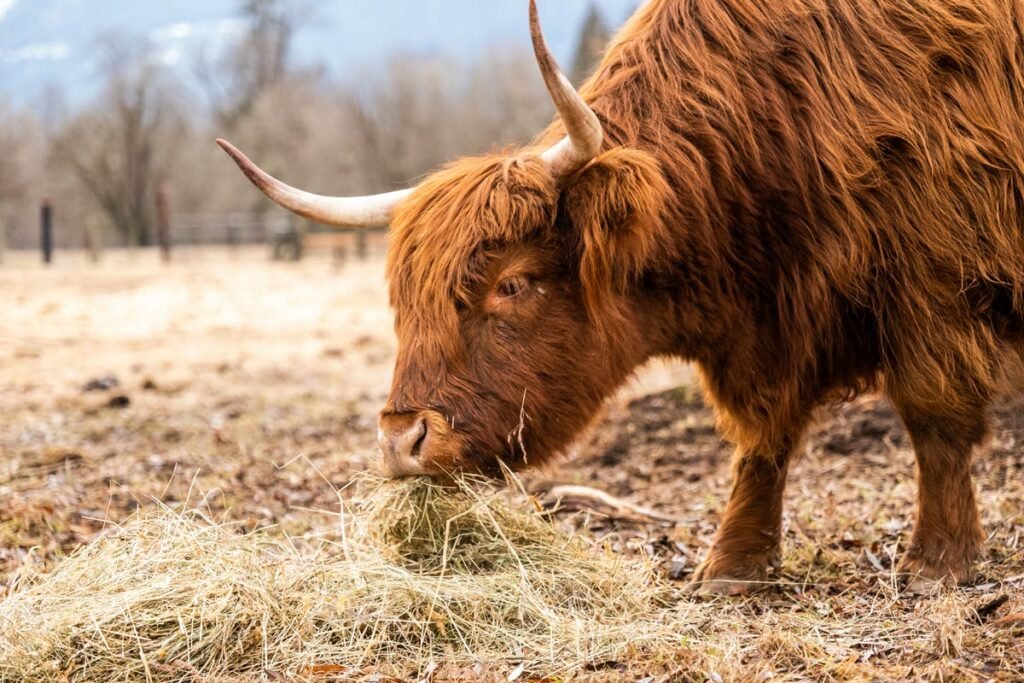
Unless you live in a climate where grass grows 365 days a year, hay becomes essential, especially from late fall through early spring.
Types of Hay to Feed
Not all hay is created equal. Look for:
- Grass hay: Orchardgrass, timothy, or brome. Great for maintenance diets.
- Mixed hay: Grass + legume (e.g., clover). Higher protein and calcium.
- Alfalfa: High in protein but too rich for regular use in adult maintenance diets unless paired with grain or for lactating cows.
How Much Hay Do They Need?
Plan on feeding 2.5–3% of body weight in hay per day in winter, which means 15–20 lbs/day for an average adult mini highland.
If feeding round bales, use slow-feed hay nets or feeders to reduce waste and encourage natural grazing behavior.
Do They Need Grain?
The Short Answer: Sometimes.
Grain isn’t required for most mini highlands on a balanced pasture + hay diet. But there are exceptions:
- Lactating cows may benefit from 1–2 lbs/day of dairy ration to maintain condition
- Underweight animals might need short-term grain for weight gain
- Show animals are often fed grain for bloom and finish
If you’re feeding grain, keep it limited and balanced. Avoid high-starch feeds like corn-only blends and opt for pelleted cattle grower rations or rolled oats with molasses for easier digestion.
So, how do you know if you’re overfeeding grain? Look for these signs:
- Loose or foamy manure
- Lethargy after eating
- Excessive weight gain
- Off-feed behavior
Mineral Requirements Most Owners Overlook
Mineral supplementation is where many mini highland owners fall short.
Even with perfect hay and pasture, your cattle likely aren’t getting enough:
- Copper (especially in areas with high sulfur or molybdenum)
- Selenium (deficient in many regions)
- Magnesium (important in spring pasture flush)
- Zinc, iodine, and cobalt
Free-Choice vs. Force-Feeding
We recommend free-choice, loose minerals formulated for beef cattle, not blocks, which don’t allow enough intake. Look for formulations with 2:1 calcium:phosphorus ratio and at least 0.1 ppm selenium.
Avoid sheep minerals. They lack copper, which cattle require.
Water Intake for Mini Highland Cattle
Mini highland cattle may be smaller, but they still drink a surprising amount, about 5–10 gallons of water per day, depending on heat, lactation status, and diet moisture.
Always offer clean, fresh water. If you’re using automatic troughs, check that the minis can reach them because some are designed for taller breeds.
In winter, monitor tank heaters carefully. If water drops below 40°F, intake can plummet, which impacts feed digestion and milk production.
Feeding Calves vs. Mature Cattle
The nutritional needs of calves are very different from those of mature cattle. Here’s what you should know about feeding for every stage of life.
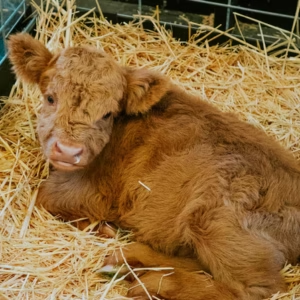
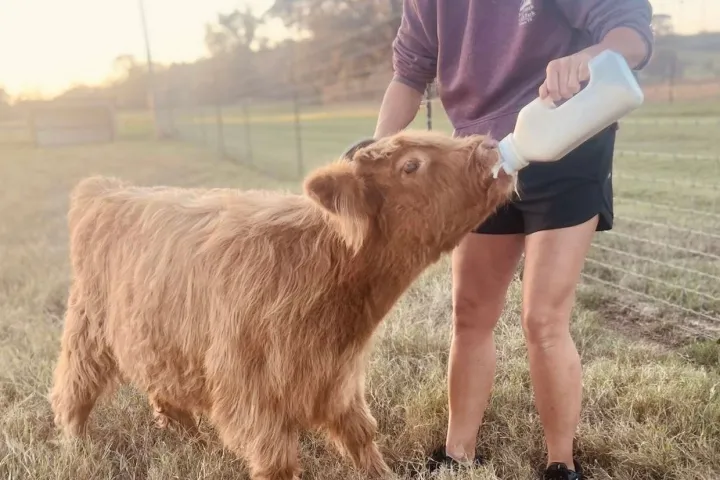
What Calves Need in Their First Year
Feeding a mini highland calf is part art, part science. The first few weeks of life are important for healthy rumen development and long-term growth.
Here’s a general timeline:
0–3 Days:
- Colostrum from the dam (within the first 4–6 hours after birth) is non-negotiable.
- Calves should receive 10% of their body weight in colostrum within the first 24 hours.
1–8 Weeks:
- Continue nursing or provide calf milk replacer (22–24% protein, 18–22% fat).
- Introduce small amounts of high-quality calf starter grain by week 2.
- Provide access to hay and fresh water by week 3.
8–12 Weeks:
- Slowly wean calves off milk when they consistently consume 1.5–2 lbs/day of starter grain.
- Introduce good-quality grass hay and free-choice minerals.
3–12 Months:
- Transition to a pasture-based diet with hay supplementation.
- Continue to offer a mineral tub or loose minerals appropriate for growing cattle.
- Growth-focused rations can be used in cold months or for show stock.
What About Mature Cattle?
Maintenance is the name of the game for adult mini highland cattle. Their metabolism is efficient, and overfeeding is a more common risk than underfeeding, especially in easy keepers.
Maintenance adults on pasture often need no more than:
- 12–15 lbs of dry matter/day
- Access to minerals
- Fresh water
Pregnant or lactating cows may require 10–25% more energy, particularly in late gestation or peak lactation.
What to Feed in Winter
Winter feeding can make or break mini highland cattle’s condition. These cattle are hardy, but they’re still burning calories to stay warm. In colder climates, you’ll need to adjust their ration to match the thermometer.
Core Components of a Winter Diet
- Grass or mixed hay (2.5–3% body weight daily)
- Free-choice mineral supplement
- Access to water that isn’t frozen
- Optional: grain or beet pulp for thin animals or those in lactation
If hay quality is low, supplement with:
- Alfalfa cubes (1–2 lbs/day)
- Beet pulp (dry or soaked)
- High-fiber cattle pellets
Here’s a rule of thumb to follow: When temperatures drop below freezing, increase hay by 10–15%.
Should You Feed Silage?
Mini highlands can eat silage, but there are some limitations. Their smaller rumens mean they can’t handle the volume of wet feed that larger cows can. If you’re feeding silage, limit it to 25–30% of the total ration and balance it with dry forage.
Common Mistakes to Avoid
Even experienced livestock owners make a few mistakes when raising mini highlands. Here are a few of the most frequent issues we see and how to avoid them:
| Mistake | Why It Matters |
| Feeding moldy or dusty hay | Can cause respiratory problems and mycotoxin-related illnesses |
| Skipping minerals | Leads to poor coat quality, fertility issues, weak calves, or metabolic imbalances |
| Overfeeding grain | Causes bloat, acidosis, laminitis, and weight gain |
| Underfeeding in winter | Results in weight loss, weak immunity, and poor milk production |
| Ignoring water temperature in winter | Lowers intake, digestion efficiency, leads to energy deficits |
If your cow suddenly drops weight, goes off feed, or starts chewing wood or dirt, it’s time to take another look at their nutritional balance.
Sample Feeding Schedule for Mini Highland Cattle
To help visualize a full day in the life of a well-fed mini highland, here’s a sample schedule for a mature, non-lactating animal in mid-winter:
| Time | Feed Type | Amount | Notes |
| Morning | Grass hay | ~8 lbs | Offered in slow-feed net or feeder |
| Midday | Beet pulp + alfalfa cubes (optional) | ~2 lbs total | For energy boost in cold weather |
| Afternoon | More grass hay | ~8 lbs | Fresh, dust-free hay to maintain intake |
| All Day | Free-choice minerals | N/A | Refill as needed |
| All Day | Fresh water | 5–10 gallons | Ensure no freezing; use tank heater if necessary |
Total feed intake: ~18–20 lbs of dry matter
Forage vs. Feed
Mini highland cattle do well on forage-based diets, but the type of feed you choose often depends on your land, not just the animal.
- If you have abundant pasture, focus on rotational grazing and preserve hay for winter.
- If you’re on a small acreage, invest in higher quality hay and consider partial stall feeding to reduce wear on your grass.
- If your land lacks diversity, plant forage blends with clover, chicory, and deep-rooted grasses to improve soil and cow health.
Smaller herds make it easier to improve your pasture. You can rotate more often, test the soil, and build fencing that supports healthier grazing patterns.
What it Really Takes to Feed a Healthy Mini Highland
Mini highland cattle might be small, but their dietary needs are anything but miniature.
They’re hardy, yes, but they’re also sensitive to subtle nutritional shifts, especially when it comes to minerals, forage quality, and seasonal transitions. What you feed them affects everything from coat health and fertility to temperament and longevity.
So, what do mini highland cattle eat?
They eat the land, grass, hay, and brush, but only when the land is stewarded with intention. They eat minerals that never grow in soil but keep bones, brains, and bellies balanced.
Feed them well, and they’ll pay you back in beauty, resilience, and that quiet, ancient wisdom only highlands seem to carry.