How Heavy Are Mini Donkey Weight?
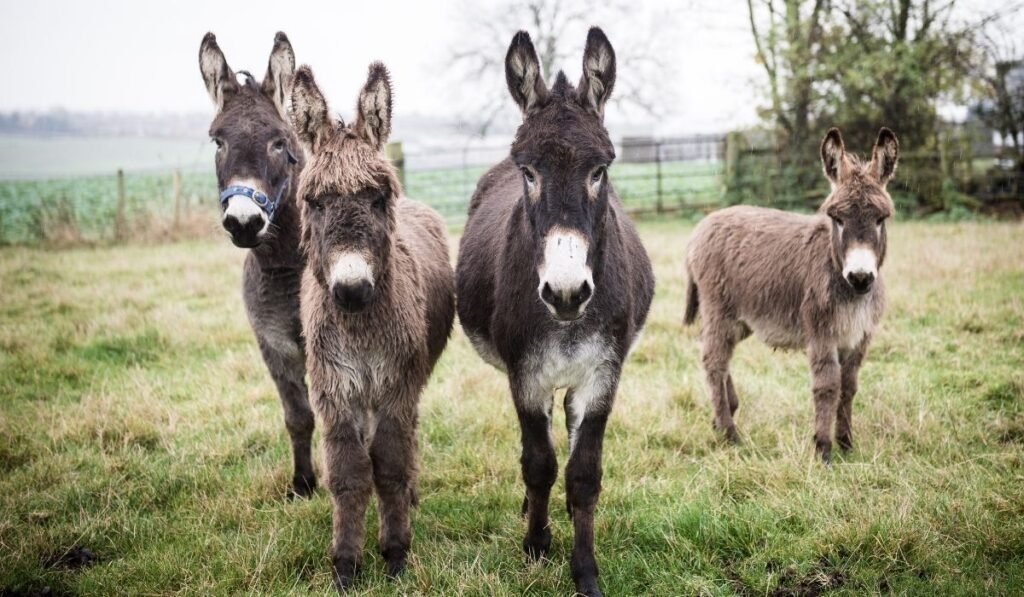
Mini donkeys pack a lot of personality into their small frames, typically mini donkey weight between 200 and 400 pounds. That’s quite a difference from their full-sized relatives! While their size makes them perfect companions, maintaining a healthy weight is crucial for their wellbeing.
The healthy weight range for mini donkeys varies by sex and size. Jennets (females) typically weigh 200-350 pounds, while jacks (males) range from 250-400 pounds.
Height plays a significant role in determining healthy weight:
- Under 32 inches: 200-275 pounds
- 32-34 inches: 275-325 pounds
- 34-36 inches: 325-400 pounds
Weight expectations by age:
- 6 months: 100-150 pounds
- 1 year: 150-200 pounds
- 2 years: 200-300 pounds
- Adult: 200-400 pounds
Frame size matters too. Just like people come in different builds, mini donkeys can be naturally lighter or heavier while still being healthy. A good weight check? You should be able to feel their ribs with gentle pressure – similar to feeling the backs of your knuckles when your hand’s relaxed.
miniature donkey for sale

Barry – miniature male Donkey
$1,200.00Calvin – miniature male “Jack” Donkey
$1,000.00


Physical Characteristics That Affect Mini Donkey Weight
Several physical traits influence a mini donkey’s ideal weight range. Understanding these helps maintain proper weight management.
Height and Body Frame
Mini donkeys size max out at 36 inches at the withers. A healthy mini donkey shows:
- Clear muscle definition around shoulders
- Good muscle tone along the spine
- Defined hindquarters without excess fat
- Ribs that can be felt with light pressure
- Lean body structure without fat pads
- Neck free from fat rolls
Weight ranges by height:
- 30-32 inches: 200-300 pounds
- 33-34 inches: 250-350 pounds
- 35-36 inches: 300-450 pounds
Gender Differences
Jennets (females):
- Typically 200-350 pounds
- Smaller frame size
- More refined bone structure
Jacks (males):
- Usually 250-400 pounds
- Broader chest width
- More muscular build
Factors That Impact Mini Donkey Weight
Diet, age, and activity level all play crucial roles in maintaining a healthy weight.
Diet and Nutrition
Proper feeding guidelines:
- Daily feed should be 1.3-1.7% of body weight in dry matter
- A 397-pound donkey needs 4.6-6.6 pounds of dry matter daily
- Focus on quality barley, oat, or wheat straw
- Limit grass access to prevent obesity
- Include equine-specific minerals and vitamin supplements
Age and Development
Growth patterns:
- Birth weight: 18-25 pounds
- Can stand within 30 minutes of birth
- Steady weight gain through adolescence
- Adult weight: 200-400 pounds
- Growth rate varies by genetics and care
Exercise and Activity Level
Keep your mini donkey active with:
- Daily paddock or pasture time
- Structured exercise sessions
- Playtime with other donkeys
- Varied terrain for muscle building
- Age-appropriate activity levels
How to Monitor Your Mini Donkey’s Weight
Regular weight monitoring helps detect health issues early in miniature donkeys. Two primary methods provide reliable weight assessment.
Body Condition Scoring
Body condition scoring offers a hands-on approach to assess muscle and fat coverage. The 9-point scale ranges from 1 (very thin) to 9 (obese), with 5 being ideal.
Key areas to check:
- Neck thickness and muscle definition
- Withers prominence and fat coverage
- Back muscle tone and spine visibility
- Rib coverage and ease of feeling
- Hindquarters shape and fat deposits
Bone coverage assessment:
- Press gently along the spine
- Run your hands across the ribs
- Touch the hip bones
- Assess shoulder blade definition
Body Condition Score Guide:
- Scores 1-3 (Underweight): Visible bones, prominent spine
- Scores 4-6 (Ideal): Ribs felt with light pressure
- Scores 7-9 (Overweight): Bones difficult to feel, fat deposits present
Weight Tape Measurements
Proper tape positioning:
- Place behind the front legs
- Wrap around the heart girth
- Keep snug but not tight
- Read at the overlap point
Measurement schedule:
- Under 1 year: Every 2 weeks
- Ages 1-3 years: Monthly
- Adult donkeys: Every 3 months
Health Issues Related to Abnormal Weight
Weight management directly impacts mini donkey health. Understanding potential complications helps prevent serious issues.
Obesity Complications
Mini donkeys evolved to thrive in semi-arid environments, making them highly efficient at processing nutrients. This efficiency becomes problematic with rich, modern diets.
Common obesity-related issues:
- Metabolic syndrome
- Laminitis
- Inflammatory responses
- Joint stress
- Reduced mobility
Fatty Liver Disease
Rapid weight loss in overweight mini donkeys can trigger serious complications. When obese donkeys stop eating, their bodies release stored fat too quickly, overwhelming the liver.
Weight-related health risks:
- 200-350 lbs: Minimal health risks
- 350-450 lbs: Increased metabolic risks
- 450+ lbs: High risk for all complications
Tips for Maintaining Healthy Weight
Feed Management
Daily hay portions should equal 1.5% of body weight. For a 200-pound mini donkey, provide 3 pounds of hay split between morning and evening meals.
Feed recommendations:
- Low-calorie grass hay (orchard grass preferred)
- Limited alfalfa hay
- Quality barley straw for fiber
- Restricted access to lush pastures
Exercise Guidelines
Regular activity maintains healthy weight:
- Daily paddock access
- Obstacle course activities
- Companion play time
- Varied terrain exposure
Monitoring Schedule
Weight check frequency:
- Young (0-2 years): Every 2 weeks
- Adults (2+ years): Monthly
- Pregnant jennets: Weekly
- Senior donkeys: Every 3 weeks
Regular Body Checks
Physical assessment points:
- Rib coverage (gentle pressure should reveal ribs)
- Shoulder definition
- Hip bone visibility
- Neck crest thickness