How Long Do Mini Donkeys Live
Ever wondered about how long do mini donkeys live? These charming companions pack all the personality of their larger cousins into a compact package, typically standing just 36 inches tall and weighing up to 350 pounds. Whether you’re a hobby farmer or simply love unique pets, understanding their lifespan helps you provide the best possible care for these long-term family members.
Understanding the Miniature Donkey Breed
These delightful creatures originated from Sardinia, a Mediterranean island where they earned their original name “Sardinian donkeys.” Standing no taller than 36 inches at the withers (shoulder area), they’re about the height of your average preschooler.
What makes miniature donkeys special:
- A sturdy frame weighing 200-350 pounds
- Perfectly proportioned ears, shorter than standard donkeys
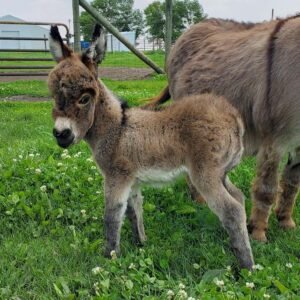
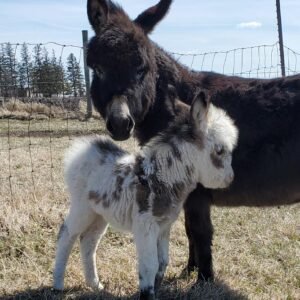
- Beautiful gray coats ranging from light silver to dark charcoal
- Distinctive light-colored muzzles and crosses on their backs
Their personalities truly shine through their:
- Gentle nature, making them perfect family companions
- Strong social bonds with handlers and other animals
- Quick learning abilities and responsiveness to training
- Natural playfulness and love for enrichment activities
During my time in vet school, I worked with a clever miniature donkey who mastered the art of unlatching his stall door. We eventually needed a child-proof lock to prevent his midnight snack adventures.
Key Physical Characteristics:
- Maximum height: 36 inches
- Weight range: 200-350 pounds
- Life expectancy: 25-35 years
- Age of maturity: 3 years
These compact equines need consistent care to thrive. Regular hoof trimming, dental check-ups, and grooming sessions keep them healthy and happy throughout their lives.
miniature donkey for sale

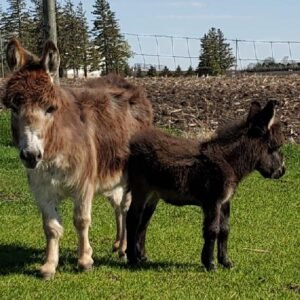
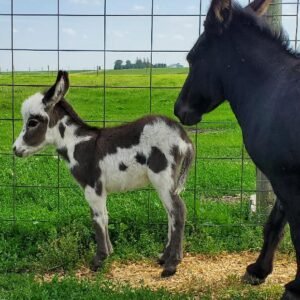
Barry – miniature male Donkey
$1,200.00Calvin – miniature male “Jack” Donkey
$1,000.00
Average Lifespan of Miniature Donkeys
With proper care, miniature donkeys typically live 27 to 35 years in captivity, often outliving their larger relatives. Their prime working and companionship years span from age 3 to 25, though many remain active well beyond that.
Average life expectancy ranges from 27-33 years, with some exceptional cases reaching 40+ years. These impressive numbers depend largely on proper care and management.
Factors that influence their longevity
Diet Management:
- Fiber-rich feed
- Controlled protein intake
- Carefully monitored portions
- Constant access to fresh water
Living Environment:
- Weather-appropriate shelter
- Sanitary living space
- Secure fencing
- Adequate exercise areas
Regular vet check-ups and daily monitoring help catch potential health issues early, particularly conditions like founder that could affect their longevity. These resilient animals often exceed typical lifespan expectations when given proper, consistent care.
Health Considerations for Aging Miniature Donkeys
As miniature donkeys enter their senior years, they require specialized care and attention. Clinical experience shows that proper medical oversight can significantly enhance their comfort and quality of life during their golden years.
Common Age-Related Health Issues
Senior miniature donkeys face several health challenges that require careful monitoring:
- Dental wear after age 20 can complicate eating habits
- Increased susceptibility to respiratory infections
- Greater vulnerability to internal parasites
- Progressive hoof sensitivity and related issues
Essential Health Check Schedule:
- Dental Exams: Every 6 months starting at age 20
- Parasite Testing: Every 3-4 months throughout life
- Hoof Trimming: Every 6-8 weeks consistently
- Respiratory Checks: Every 6 months after age 25
Preventive Care Measures
Implementing comprehensive preventive care significantly reduces health complications:
- Regular dental examinations maintain proper eating habits
- Consistent vaccination protocols protect against respiratory infections
- Strategic deworming programs control parasitic issues
- Professional hoof care maintains mobility
- Clean, dry living areas prevent foot problems
Clinical experience shows that preventive care is more cost-effective and better for the animal’s well-being than treating emergent conditions.
Proper Care to Extend Miniature Donkey Lifespan
With appropriate care, miniature donkeys can live 35-40 years. The key elements for longevity include balanced nutrition, regular exercise, and optimal living conditions.
Nutrition Requirements
A well-planned diet focuses on fiber-rich foods and portion control:
- Daily Hay Intake: 75% grass hay, carefully checked for harmful weeds
- Fiber Supplements: Barley straw provides additional roughage
- Treats: Limited fresh fruits and vegetables (under 10% of diet)
- Supplemental Feed: High-fiber pellets for seniors or underweight animals
Avoid alfalfa hay due to excessive protein content. Adjust portions based on individual needs, activity levels, and age-related requirements.
Exercise and Environment
The right environment promotes natural behaviors and physical health:
- Space Requirements: Minimum 1-acre pasture for adequate movement
- Shelter Needs: Three-sided structure for weather protection
- Social Elements: Companion donkeys prevent isolation
- Activity Guidelines: 30-minute daily structured exercise sessions
Proper drainage prevents hoof problems, while strategic shelter placement allows natural surveillance behavior. Multiple water sources and regular cleaning maintain optimal living conditions.
Signs of Aging in Miniature Donkeys
As miniature donkeys age, they develop distinct physical and behavioral changes. Understanding these signs helps owners provide appropriate care during their senior years.
Physical Changes
Senior miniature donkeys often need additional support with daily activities:
- Decreased mobility, particularly when rising from rest
- Diminished self-grooming effectiveness
- Irregular shedding patterns during molt
- Limited flexibility for rolling or scratching
Behavioral Changes
Age-related personality shifts may include:
- Adjustments to established daily patterns
- Modified reactions to familiar environments
- Changes in social dynamics with companions
- New eating or drinking preferences
Eye Health
Senior donkeys require special attention to their vision:
- Regular checks for lens clouding or discoloration
- Assessment of movement tracking ability
- Monitoring of depth perception
- Observation of tear production and discharge
Clinical experience shows that senior donkeys often develop adaptive behaviors to compensate for age-related changes. One notable case involved a senior donkey who showed clear preference for blue-colored feeding equipment, likely due to enhanced visibility of this color spectrum.
Maintaining a daily observation log helps track gradual changes in behavior and physical condition. These subtle shifts, when noticed early, allow for timely adjustments in care routines.