Best Hay for Mini Donkeys: What Do Donkeys Eat Tips
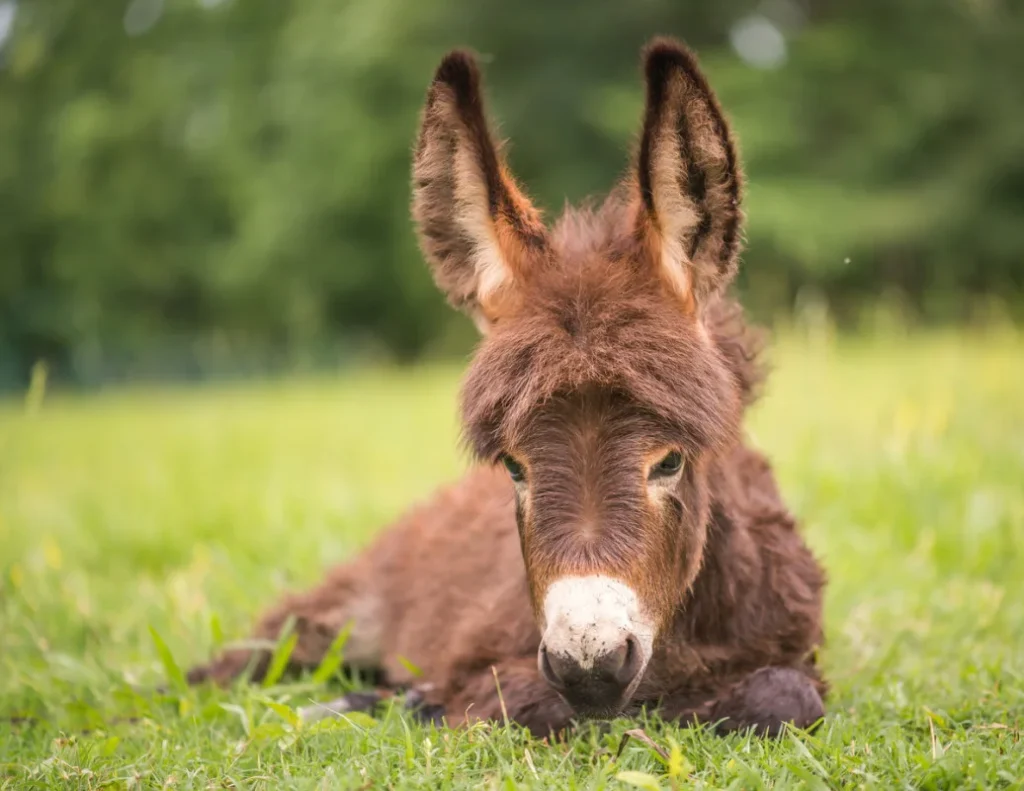
What do donkeys eat, if you’ve got mini donkeys grazing in your backyard, you already know these adorable little equines aren’t just smaller versions of donkeys. Their dietary needs are quite different, especially when it comes to hay selection.
Think of hay as your mini donkey’s daily bread. While these hardy creatures evolved to thrive on sparse vegetation, you’ll still need to be selective about their hay. The right choice makes all the difference in keeping your long-eared friend healthy and happy.
Understanding Mini Donkeys’ Nutritional Needs
Mini donkeys are fascinating creatures – they’re actually 20% more efficient at processing food than horses. Thanks to their desert heritage, they excel at extracting nutrients from even the most basic plant material.
Unique Dietary Requirements
Your mini donkey needs a specific balance of nutrients:
- Plenty of fiber (aim for 30-35%)
- Modest protein levels (8-10% is perfect)
- Low sugar content (under 12% NSC)
- Essential trace minerals like copper, selenium, and zinc
donkey for sale

Barry – miniature male Donkey
$8,500.00- Out of stock
Calvin – miniature male “Jack” Donkey
$1,000.00 - Out of stock
- Out of stock
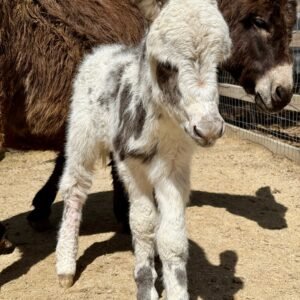
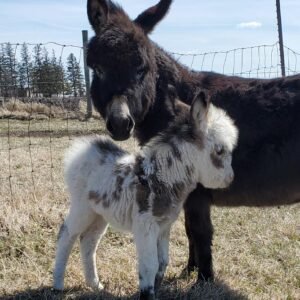
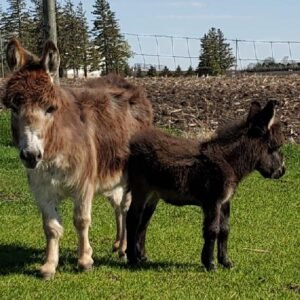
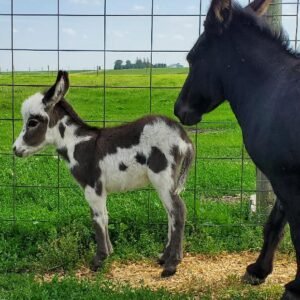
Daily Hay Feeding Guide
For healthy mini donkeys, here’s what you need to know about daily hay portions:
Mini donkeys weighing 200-250 lbs need 2-3 lbs of hay daily, while those between 251-300 lbs should get 3-4 lbs. Larger minis (301-350 lbs) typically need 4-5 lbs per day. This usually works out to about 1-1.5% of their body weight.
Pro feeding tips:
- Split hay into 3-4 smaller meals throughout the day
- Clear away leftover hay after 4 hours
- Adjust portions based on how active your donkey is
- Check their body condition monthly
- Use slow-feed nets to reduce waste
If your mini has access to pasture, reduce their hay by about 25%. During lush grass seasons, a grazing muzzle can help prevent overfeeding.
Types of Hay Suitable for Mini Donkeys
Let’s talk about the best hay options for your mini donkey. Getting this right is crucial – it’s all about finding that sweet spot between nutrition and what works for their unique digestive system.
Grass Hay Options
Grass hay should be your go-to choice for mini donkeys. Here are the top three varieties that’ll keep your little friend healthy and happy:
Timothy Hay: The All-Star Choice
- Perfect protein levels (8-10%) for maintaining healthy weight
- High in fiber, which keeps their digestion running smoothly
- Naturally low in sugar – great for preventing weight issues
- An excellent choice for most mini donkeys
Orchard Grass: The Gentle Option
- Just as nutritious as timothy hay
- Softer and easier to chew
- Has a natural sweetness that donkeys love
- Works great mixed with other grass hays
Brome Hay: The Flexible Friend
- Good fiber content for healthy digestion
- Moderate protein that won’t pack on pounds
- Quality varies by season, so check it carefully
- Excellent for mixing with other hay types
Smart Tips for Legume Hay
When it comes to legume hay (like alfalfa), think of it more as a treat than a dietary staple. Here’s what you need to know:
Keep it limited:
- Use it sparingly – think of it as dessert
- Mix a small amount (10-15%) with regular grass hay
- Keep an eye on your donkey’s waistline
What to avoid:
- Skip pure alfalfa hay – it’s too rich
- Pass on straight clover hay
- Watch out for pre-mixed hay with too much legume content
Best Hay Choices for Your Mini Donkey
Let’s dive into the two top hay choices that’ll keep your mini donkey thriving.
Why Timothy Hay Works
Timothy hay is like the perfect meal plan for mini donkeys. Here’s what makes it special:
The numbers that matter:
- Protein: 8-11% (just right for daily needs)
- Fiber: 32-36% (perfect for digestion)
- Sugar: 6-8% (low enough to prevent problems)
What makes it great:
- Packed with fiber that keeps their digestion happy
- Low protein helps maintain a healthy weight
- Natural teeth maintenance through chewing
- Safe for donkeys with insulin sensitivity
The Orchard Grass Advantage
Orchard grass brings its own benefits to the table:
- Texture is soft and easy to eat
- Highly palatable – most donkeys love it
- Protein ranges from 9-12%
- Bright green color indicates good quality
Bonus features:
- Fiber levels stay consistent
- Great for picky eaters
- Less dusty than other options
- Mixes well with timothy hay for variety
- Naturally appealing taste
Remember, the best hay for your mini donkey might be a mix of these options. Pay attention to what your donkey prefers and how they respond to different types. The perfect hay choice is one that keeps them healthy and happy while matching their individual needs.
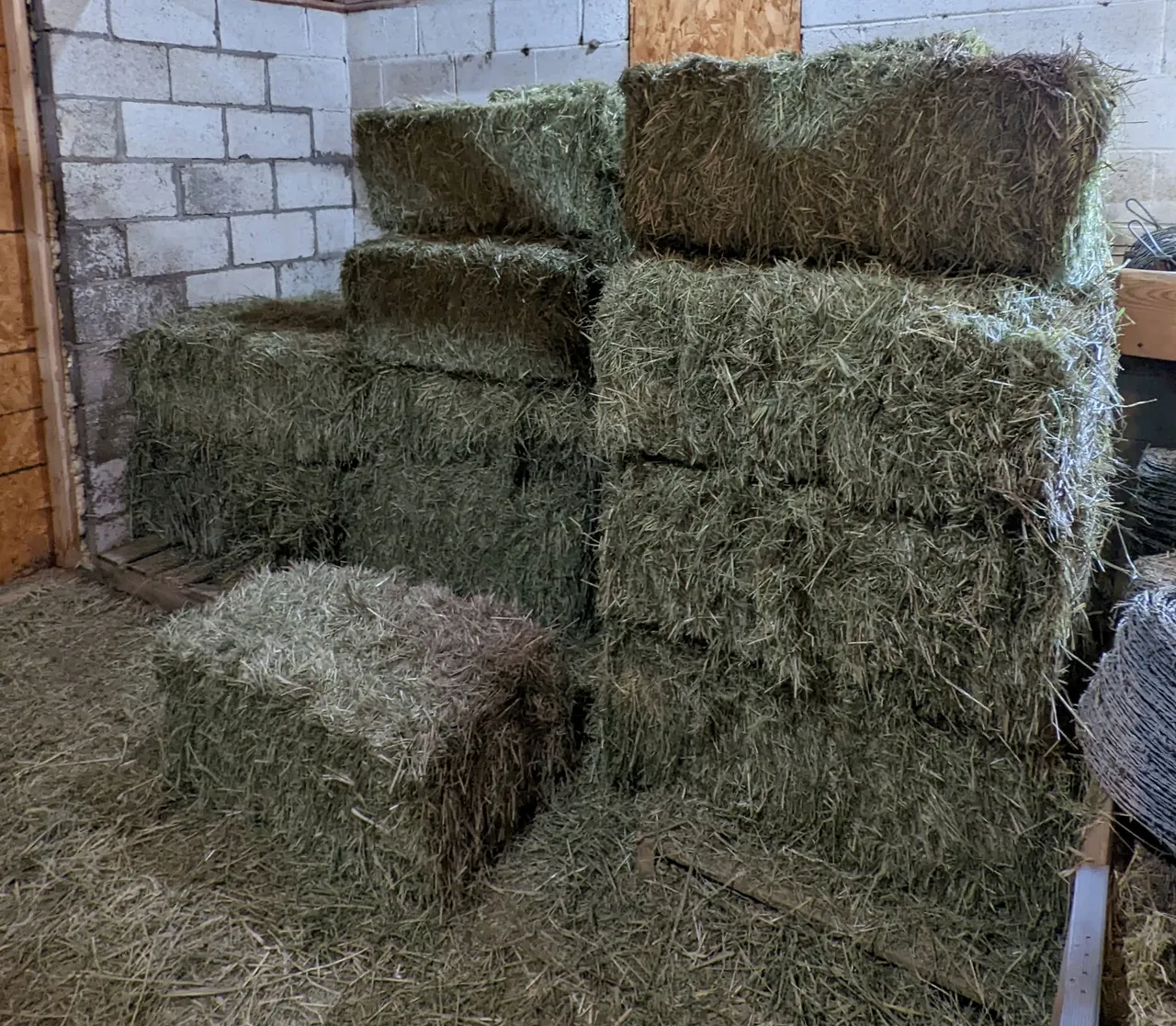
Storing and Feeding Hay Properly
Getting your hay storage and feeding routine right makes all the difference in keeping your mini donkey healthy (and your wallet happy). Here’s what you need to know about keeping hay fresh and serving it properly.
Storage Best Practices
Your hay storage setup can make or break hay quality. The basics are simple: keep it dry, off the ground, and well-ventilated. Here’s how to nail the details:
Store your hay in a covered area with good airflow – this prevents moisture buildup that can lead to mold. Pop those bales onto wooden pallets to keep them off the damp ground. Make a habit of checking your hay regularly for any odd smells or signs of moisture.
Pro tip: Stack newer bales at the back and use the older ones first. Think of it like rotating stock in your pantry. Keep your storage area’s humidity between 45-55% for best results.
Storage impacts on hay quality:
- Protection from rain keeps nutrients intact
- Elevation prevents ground moisture damage
- Good airflow stops mold before it starts
- Regular rotation ensures fresh hay all year
Smart Feeding Routines
Feeding time doesn’t need to be complicated, but it does need to be consistent. Here’s what works:
Serve grass hay 2-3 times daily in measured portions. Use small-hole hay nets – they’re great for slowing down eager eaters and reducing waste. Keep the hay at ground level; it’s better for their neck position and more natural for them.
Key feeding guidelines:
- Daily hay needs: about 2% of body weight
- Feeding frequency: 2-3 times daily
- Maximum portion size: 4-5 pounds per meal
- Hay net holes: stick to 1.5-2 inches
Health Concerns to Watch For
Your mini donkey’s hay can be their best friend or worst enemy, health-wise. Here’s what to keep an eye on.
Spotting Overfeeding Signs
Mini donkeys are efficient eaters – sometimes too efficient. Watch for these warning signs of overfeeding:
- A thick, cresty neck
- An unusually round belly
- Heavy breathing during light activity
- Reluctance to move around
Keep these issues in check by:
- Measuring hay at 1.5% of body weight daily
- Using those slow-feed nets
- Splitting hay into smaller meals
- Clearing away leftovers after 4 hours
Bad Hay Red Flags
Know what bad hay looks like before it causes problems. Here’s what to watch for:
In the hay itself:
- Mold spots or odd colors
- Strange or sweet smells
- Too much dust or debris
- Tough, woody stems
- Unwanted plants mixed in
Storage warning signs:
- Ground contact causing dampness
- Poor air circulation
- Weather exposure
- Temperature swings causing moisture